













PDRN vs. Polynucleotides vs. Salmon DNA: What’s the Difference?
PDRN vs. Polynucleotides vs. Salmon DNA: What’s the Difference?
A clear guide to one of regenerative skincare’s most talked-about ingredients
PDRN has quickly moved from medical and aesthetic settings into skincare serums, creams, masks and concentrated treatments. It is often described as salmon DNA, polynucleotides or simply a regenerative ingredient—but these terms do not always mean exactly the same thing.
PDRN and polynucleotides belong to the same broad family of DNA-derived materials. Their properties can vary according to molecular size, biological source, purification process, concentration and delivery method. Understanding these differences is essential when comparing an injectable professional treatment with an everyday topical cosmetic.
The quick answer
PDRN stands for polydeoxyribonucleotide. It generally refers to a purified mixture of deoxyribonucleotide polymers or DNA fragments.
Polynucleotide, often shortened to PN, is a broader term describing chains composed of multiple nucleotide building blocks. In aesthetic medicine, PN commonly refers to longer DNA-derived polymers formulated for injection into the skin.
“Salmon DNA” is a simplified consumer term for DNA-derived ingredients traditionally purified from salmonid fish, including salmon and trout. The final material is extensively processed and purified; it is not raw salmon sperm or untreated reproductive material.
PDRN may therefore be considered a form of polynucleotide material, but the two terms should not automatically be treated as interchangeable. Scientific definitions and molecular-weight thresholds remain inconsistent across published studies. A 2025 review proposed separating shorter PDRN fragments from longer PN chains at approximately 1,500 kDa, but this is a proposed framework rather than a universally adopted international standard. [1,2]
What is PDRN?
PDRN is a mixture of purified DNA fragments composed of repeating deoxyribonucleotide units. Traditional medical preparations have commonly been produced from highly purified DNA obtained from salmon or trout species.
PDRN has been investigated medically for its potential role in tissue repair, inflammation modulation and wound healing. Proposed mechanisms include interaction with the adenosine A2A receptor and the nucleotide salvage pathway, through which DNA fragments may supply nucleosides and bases that can be reused during cellular activity. [1]
Most of this mechanistic evidence comes from cell studies, animal research and medical preparations administered through injection, intramuscular delivery or direct application to wounds. It should not automatically be interpreted as proof that an ordinary cosmetic serum will produce the same biological effects.
What are polynucleotides?
A polynucleotide is a chain made from multiple nucleotide units. DNA and RNA are both naturally occurring forms of polynucleotides.
Within aesthetic medicine, the term PN is generally used for purified, relatively long DNA-derived polymers injected into the skin as a biostimulatory or skin-quality treatment. These injectable products are commonly used to address the appearance of fine lines, texture, elasticity, hydration and under-eye skin quality.
PN formulations may also have a water-binding effect because of their polymeric structure. This can help explain why injectable PN treatments are often discussed in relation to both hydration and longer-term skin-quality improvements.
Current clinical evidence is encouraging but still limited. A 2025 systematic review identified nine eligible studies involving 219 patients. Several reported improvements in wrinkles, skin texture or elasticity, but the overall studies were of low or moderate quality and varied considerably in formulation, injection technique, treatment schedule and outcome measurement. [3,4]
Is PDRN the same as PN?
Not exactly, although the terminology is frequently blurred.
In simplified terms, PDRN is commonly used to describe shorter, lower-molecular-weight DNA fragments, while PN often refers to longer chains with greater polymeric and water-binding properties. The precise molecular ranges used to define each category differ across manufacturers and scientific publications.
This means that two products carrying the words PDRN or polynucleotide may differ considerably in fragment length, concentration, purity, viscosity, source and intended use.
The name alone does not establish how a material will behave in the skin.
What does “salmon DNA” actually mean?
The phrase “salmon DNA” is a consumer-friendly description for DNA fragments traditionally obtained from members of the salmonid fish family.
The raw biological material undergoes extraction, fragmentation, purification and sterilization processes designed to remove proteins, peptides and other unwanted components. The intended final ingredient consists primarily of purified DNA-derived polymers rather than whole cells or untreated fish material.
Salmonid sources have historically been used because their reproductive tissue provides a concentrated and accessible source of DNA. However, the quality of a finished ingredient depends less on the popularity of the source name and more on factors such as purity, molecular profile, processing method, contamination control and formulation stability. [1]
Is Sodium DNA the same as PDRN?
Sodium DNA is an International Nomenclature Cosmetic Ingredient, or INCI, name used to identify the sodium salt of deoxyribonucleic acid on cosmetic ingredient lists. The European Commission’s CosIng database classifies Sodium DNA/RNA as a skin-conditioning ingredient. [12]
PDRN is a scientific and commercial description of a particular mixture of purified DNA fragments. Sodium DNA and PDRN are therefore related descriptions, but they are not automatically interchangeable without information about the ingredient’s source, molecular-weight distribution and manufacturing specification.
In Snow Fox's Age Renewal Booster Shots, our Sodium DNA ingredient is marine-derived and is therefore described throughout our educational and consumer materials as Marine PDRN. On the complete INCI list, consumers may see it declared by its formal cosmetic ingredient name, Sodium DNA.
This distinction allows us to communicate both the origin and purpose of the ingredient while maintaining transparent ingredient labelling.
How is Marine PDRN believed to work?
Research into medically administered PDRN suggests two main biological pathways.
The first is activation of the adenosine A2A receptor, which has been associated in experimental research with modulation of inflammation, vascular endothelial growth factor expression and tissue-repair activity.
The second is the nucleotide salvage pathway. As PDRN is broken into smaller nucleotides and nucleosides, these components may be reused by cells as building materials for nucleic-acid synthesis.
Animal wound models have reported increased angiogenesis, collagen-related activity and improved wound closure following PDRN administration. A randomized controlled clinical trial involving patients with diabetic foot ulcers also found improved healing outcomes with intramuscular and perilesional PDRN compared with placebo. [5,6]
These studies help explain the medical interest in PDRN, but they evaluated wounds and medically administered preparations—not conventional skincare applied to healthy, intact skin.
Does PDRN stimulate collagen?
Laboratory studies involving human keratinocytes and dermal fibroblasts suggest that PDRN may influence cell proliferation, inflammatory signalling and collagen-associated pathways. One study found that PDRN affected ERK signalling differently in keratinocytes and fibroblasts while influencing collagen and inflammatory cytokine expression. [7]
This provides a plausible biological basis for continued research, but laboratory activity does not guarantee a visible result from a finished cosmetic product.
For consumer skincare, responsible claims should focus on supporting the appearance of smoother, firmer, more hydrated or healthier-looking skin rather than promising that a topical product will rebuild tissue or medically regenerate skin.
In the United States, claims that a cosmetic treats disease or changes the structure or function of the body may cause that product to be regulated as a drug. [13]
Can topical PDRN penetrate the skin?
Skin penetration is one of the most important and least clearly answered questions surrounding topical PDRN.
The stratum corneum is an effective biological barrier. As a general principle, molecules larger than approximately 500 Daltons have difficulty passively penetrating intact skin in meaningful quantities. PDRN polymers are substantially larger than this threshold. [8]
This does not mean that every topical PDRN product is inactive. Fragment size, vehicle, encapsulation, skin condition, application area and contact time can all influence how an ingredient interacts with the skin.
A formulation study of PDRN-loaded nanoliposomes found greater skin permeation and retention than free PDRN in an experimental model. However, this was a delivery and formulation study rather than a large human clinical trial demonstrating visible cosmetic outcomes. [9]
Topical PDRN should therefore be understood differently from injected PDRN or PN. Its value depends on the complete formulation and may include conditioning the skin, supporting hydration, improving surface comfort and complementing barrier-supportive actives. More independent human trials are needed to determine which forms and concentrations produce consistent results on intact skin.
Is topical PDRN the same as an injectable polynucleotide treatment?
No.
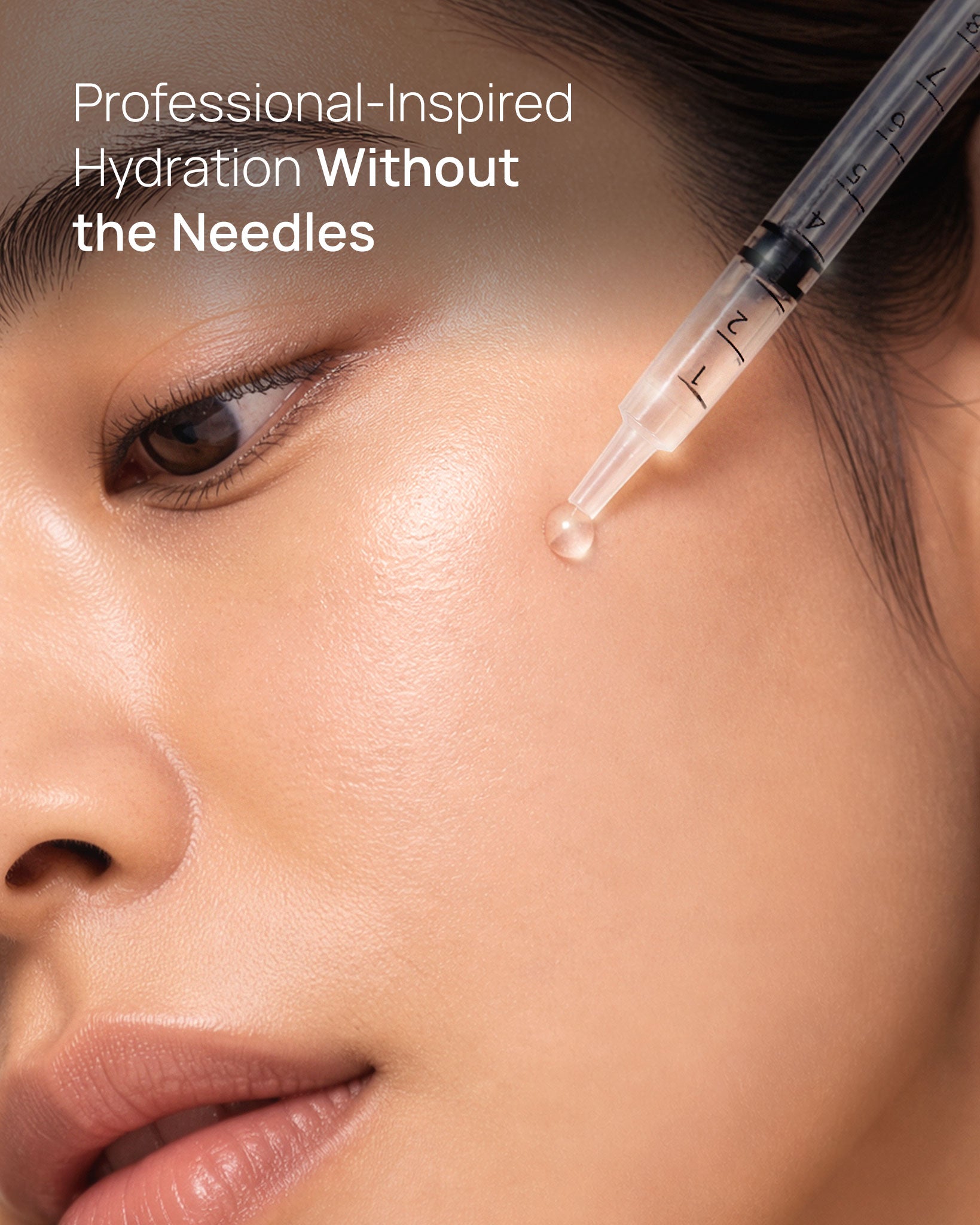
An injectable treatment deposits PN or PDRN directly within the skin, bypassing the stratum corneum. A topical serum or cream must interact with the skin’s external barrier first.
Injectable PN treatments may use higher concentrations, longer polymer chains and medical-grade processing. They also involve risks associated with injection, including pain, bruising, swelling, infection, vascular complications and allergic or inflammatory reactions.
Topical PDRN cosmetics are non-invasive products intended to improve the appearance and condition of the skin. Evidence from injectable treatments should not be presented as direct proof of what a topical product can achieve.
Can PDRN be used after lasers or microneedling?
Professional treatments temporarily alter the skin barrier, so post-procedure products must be selected carefully.
A cosmetic that is well tolerated on intact skin is not automatically suitable for application over freshly lasered, ablated or microneedled skin. Procedures can increase exposure to ingredients, microorganisms and potential irritants.
The U.S. FDA states that cleared microneedling devices are not approved for delivering cosmetics, topical medications or vitamin solutions into the skin. Consumers should follow the instructions of their dermatologist or treating practitioner rather than independently applying ordinary skincare during or immediately after a procedure. [14]
Where a Snow Fox product contains Marine PDRN, its use following a professional procedure should begin only when the treating professional confirms that the skin has reached the appropriate stage of recovery.
Is PDRN suitable for sensitive skin?
PDRN is often included in formulas designed for dry, stressed or sensitive-looking skin, but tolerance depends on the entire product rather than one ingredient.
Preservatives, fragrance, exfoliating acids, retinoids, alcohol, essential oils and delivery systems can all influence how a sensitive complexion responds. Patch testing is advisable, particularly for highly reactive skin.
People with a known fish allergy should also check the source of marine-derived ingredients and consult an appropriate healthcare professional when uncertain. Extensive purification may remove many fish proteins, but individual ingredient specifications and residual-protein testing can vary.
Is vegan or plant-derived PDRN possible?
Researchers have developed PDRN-like DNA fragments from plants, microorganisms and other non-marine sources. In our Arctic Rescue Series, which is vegan-friendly, we use Broccoli derived PDRN that is clinically tested, verified and from a certified GMP source.
These plant based PDRN developments are promising, particularly for consumers seeking vegan or more sustainable options.
Can Marine PDRN be combined with peptides, ceramides or retinoids?
There is no universal reason why Marine PDRN cannot be formulated alongside peptides, ceramides, niacinamide, panthenol or other cosmetic actives.
In fact, a combination approach is often more sensible than relying on PDRN as a stand-alone miracle ingredient. Barrier lipids can help reduce moisture loss, humectants improve hydration, peptides support the appearance of firmness, and antioxidants help protect against environmental stress.
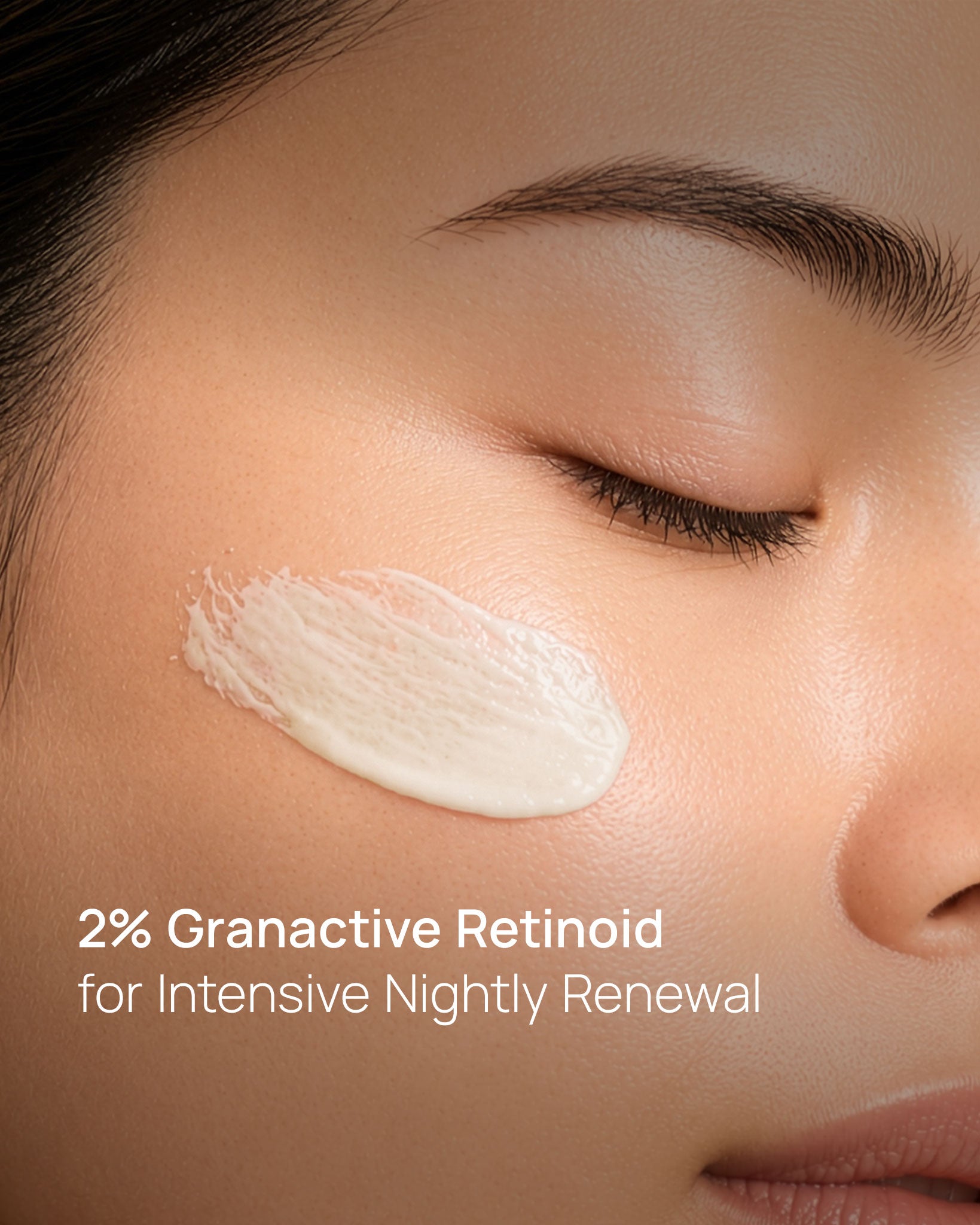
Retinoids, exfoliating acids and stronger vitamin C formulas may also be used within the same overall routine, but sensitive or compromised skin may benefit from introducing them gradually and using them at a different time of day.
The compatibility of any routine depends on product strength, formulation pH, frequency of use and individual tolerance.
How Snow Fox uses Marine PDRN
At Snow Fox, Marine PDRN is used as one part of a wider regenerative formulation system.
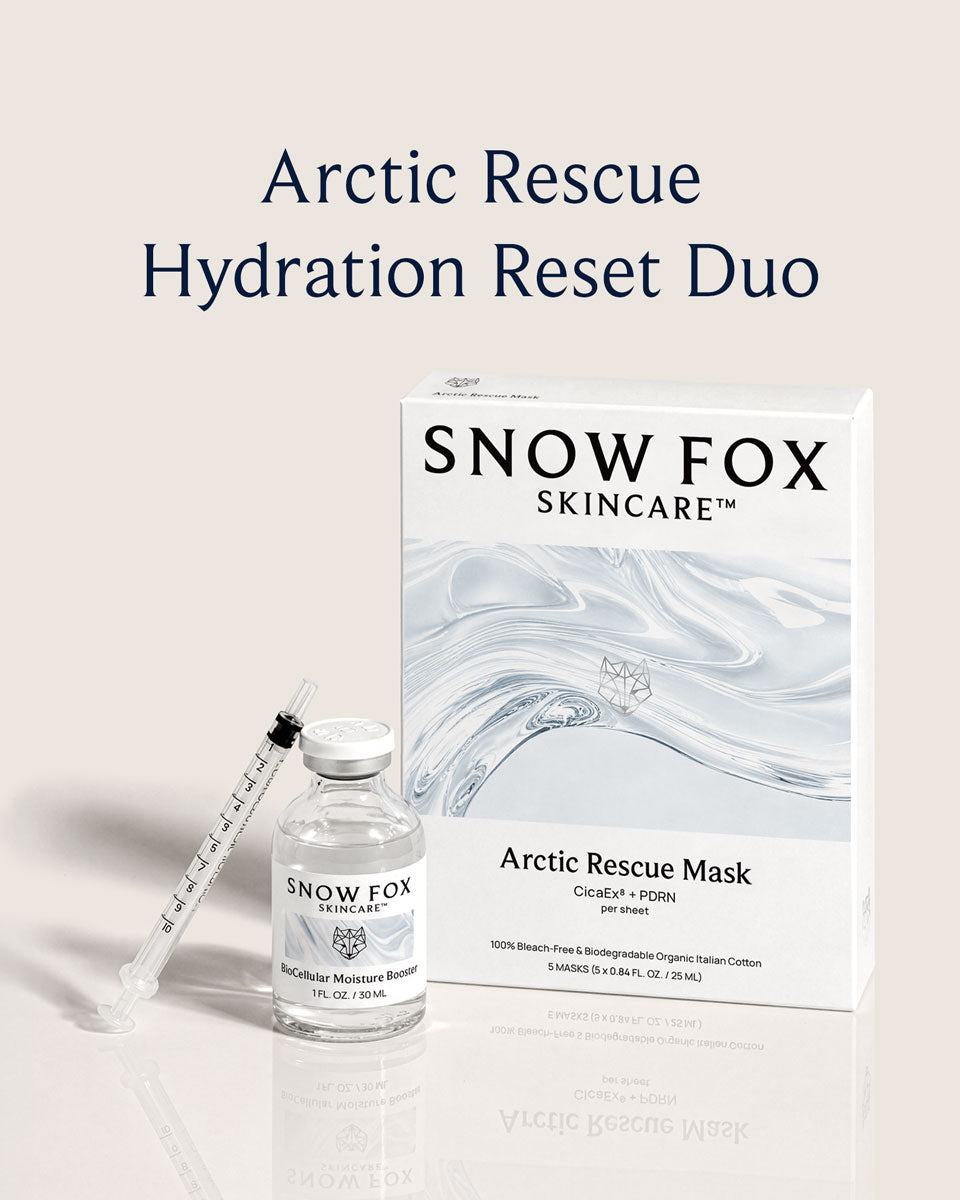
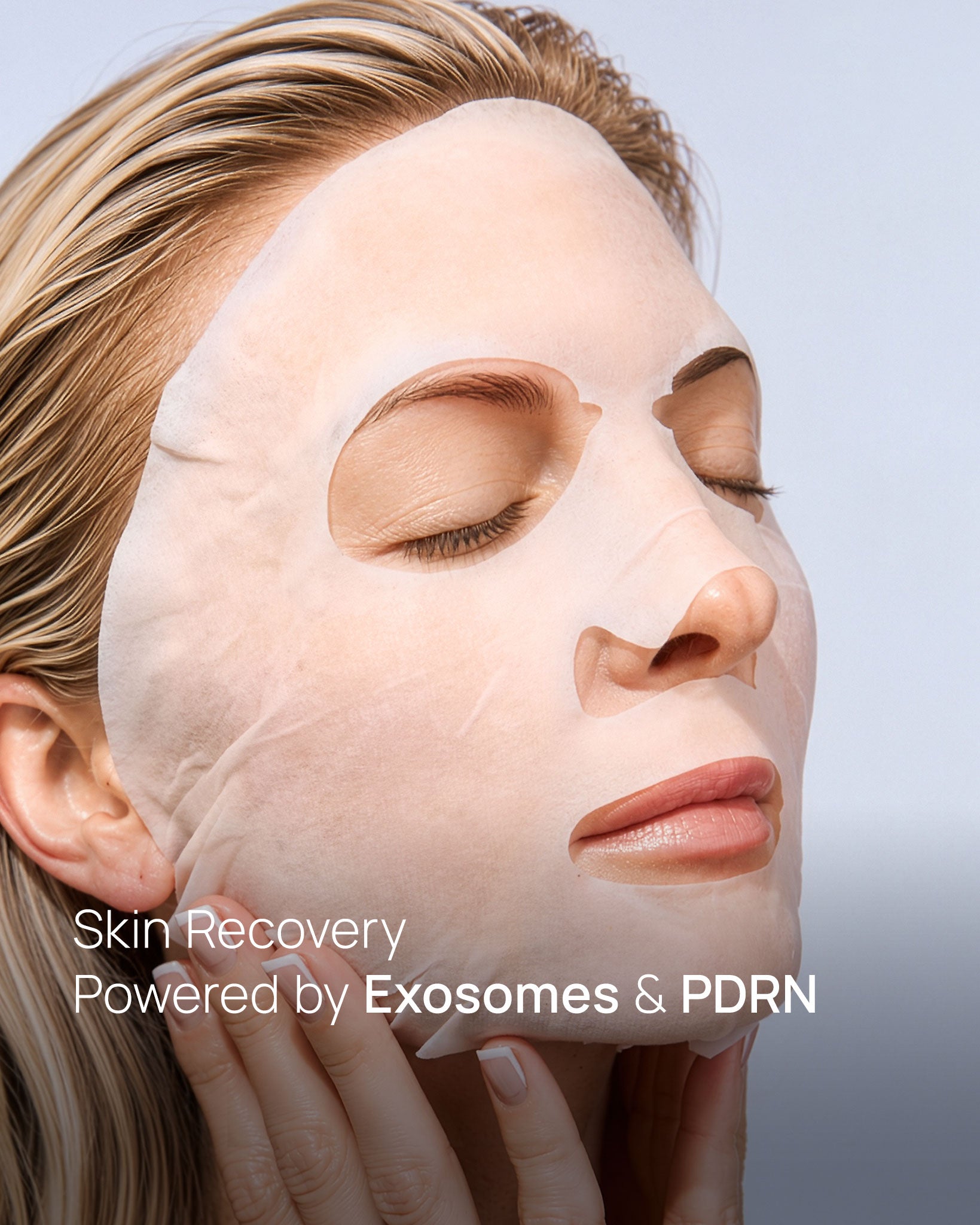
In the Arctic Rescue collection, Marine PDRN is combined with our CicaEx8 extracellular-vesicle complex, ceramides, cholesterol and other barrier-supportive ingredients. This approach is designed to help stressed-looking skin feel calmer, more hydrated and more resilient rather than relying on a single headline active.
The Age Renewal Booster Shots pair Marine PDRN with a Cica plant-cell-culture ingredient, panthenol and a five-peptide firming matrix in the activating serum. This is mixed with a separate freeze-dried ampoule containing an Edelweiss plant-cell-culture ingredient and marine collagen immediately before use.
The Luminizing Matrix Booster incorporates Marine PDRN into a broader brightening and skin-conditioning matrix with niacinamide, peptides and complementary tone-supporting ingredients.
In each case, Marine PDRN is treated as a supporting component within a complete formula, not as a promise of medical regeneration.
Frequently asked questions
Is PDRN made from salmon sperm?
Traditional marine PDRN is commonly purified from DNA-rich reproductive material obtained from salmonid fish. The final ingredient is processed and purified DNA fragments, not raw salmon sperm. However, our marine PDRN is from a verified, clean farm-to-lab trout farm specifically harvested for marine collagen and PDRN from their DNA fragments.
Is Marine PDRN a living ingredient?
No. PDRN is composed of DNA-derived fragments. It does not contain living cells and cannot reproduce or transform into human skin cells.
Is PDRN a stem-cell ingredient?
No. PDRN consists of nucleotide polymers or DNA fragments. Stem cells are complete living cells with the ability to self-renew and develop into other cell types.
Is a higher PDRN concentration always better?
Not necessarily. Concentration is only one factor. Molecular size, purity, source, stability, delivery system and the quality of the complete formula are also important. Large molecule sizes cannot penetrate the skin.
Is topical PDRN as effective as injectable PN?
They cannot be directly compared. Injectable products bypass the skin barrier, while topical cosmetics must interact with intact skin. The evidence for injectable PN is also still developing, and research on topical marine PDRN remains comparatively limited.
Does PDRN replace retinol, vitamin C or peptides?
No. These ingredients serve different purposes. Marine PDRN is better understood as a complementary skin-conditioning technology within a balanced routine.
How long does topical PDRN take to work?
The answer depends on the finished formula and the benefit being measured. Hydration and comfort may improve relatively quickly, while changes in visible texture, radiance or firmness generally require consistent use over several weeks. There is currently no universally established concentration or timeline for topical PDRN cosmetics.
The considered view
PDRN is an exciting development in regenerative-inspired skincare, but it should be discussed with precision.
PDRN, PN, Sodium DNA and “salmon DNA” are connected terms, yet they do not always describe identical materials. Injectable evidence cannot automatically be transferred to topical skincare, and promising laboratory results should not be turned into claims of medical skin regeneration.
The most credible topical approach is to use Marine PDRN within a thoughtfully formulated system that also supports hydration, barrier integrity, skin comfort and visible resilience.
At Snow Fox, regenerative skincare is not about asking one fashionable ingredient to do everything.
It is about combining emerging science with proven formulation principles to help skin look and function at its visible best over time.
Scientific References
-
Squadrito F, Bitto A, Irrera N, Pizzino G, Pallio G, Minutoli L, Altavilla D. Pharmacological activity and clinical use of PDRN. Frontiers in Pharmacology. 2017;8:224. doi:10.3389/fphar.2017.00224.
-
Marques C, et al. From polydeoxyribonucleotides to polynucleotides: Bridging the gap between scientific definitions, molecular insights and clinical applications of multifunctional biomolecules. Biomolecules. 2025;15(1):148. doi:10.3390/biom15010148.
-
Lampridou S, et al. The effectiveness of polynucleotides in esthetic medicine: A systematic review. Journal of Cosmetic Dermatology. 2025;24:e16721. doi:10.1111/jocd.16721.
-
Lee KWA, Chan KWL, Lee A, et al. Polynucleotides in aesthetic medicine: A review of current practices and perceived effectiveness. International Journal of Molecular Sciences. 2024;25(15):8224. doi:10.3390/ijms25158224.
-
Galeano M, Bitto A, Altavilla D, et al. Polydeoxyribonucleotide stimulates angiogenesis and wound healing in the genetically diabetic mouse. Wound Repair and Regeneration. 2008;16(2):208–217. doi:10.1111/j.1524-475X.2008.00361.x.
-
Squadrito F, Bitto A, Altavilla D, et al. The effect of PDRN, an adenosine receptor A2A agonist, on the healing of chronic diabetic foot ulcers: Results of a clinical trial. Journal of Clinical Endocrinology & Metabolism. 2014;99(5):E746–E753. doi:10.1210/jc.2013-3569.
-
Shin S, Baek E, Kim K, Kim K, Park E. Polydeoxyribonucleotide exerts opposing effects on ERK activity in human skin keratinocytes and fibroblasts. Molecular Medicine Reports. 2023;28(2):148. doi:10.3892/mmr.2023.13035.
-
Bos JD, Meinardi MMHM. The 500 Dalton rule for the skin penetration of chemical compounds and drugs. Experimental Dermatology. 2000;9(3):165–169. doi:10.1034/j.1600-0625.2000.009003165.x.
-
He Y, Xu L, Pei X, Dong Y, Yang X. Preparation of polydeoxyribonucleotide nanoliposomes and their applicability to cosmetic formulations. Current Pharmaceutical Biotechnology. 2026;27(6). doi:10.2174/0113892010353418250218064202.
-
Bak SU, Jeong MS, et al. Anti-aging efficacy of low-molecular-weight polydeoxyribonucleotide derived from Paeonia lactiflora. International Journal of Molecular Sciences. 2026;27(1):220. doi:10.3390/ijms27010220.
-
Chae D, Oh SW, Choi YS, et al. First report on microbial-derived polydeoxyribonucleotide: A sustainable and enhanced alternative to salmon-based polydeoxyribonucleotide. Current Issues in Molecular Biology. 2025;47(1):41. doi:10.3390/cimb47010041.
Regulatory References
-
European Commission. CosIng Cosmetic Ingredient Database: Sodium DNA/RNA. Ingredient function listed as skin conditioning. Accessed August 2026.
-
U.S. Food and Drug Administration. Is It a Cosmetic, a Drug, or Both? (Or Is It Soap?) Updated September 11, 2024. Accessed August 2026.
-
U.S. Food and Drug Administration. Microneedling Devices. Updated October 15, 2025. Accessed August 2026.
Editorial and Medical Disclaimer
The research discussed in this article includes cell studies, animal studies, wound-healing research, formulation studies and clinical studies involving injectable or medically administered PDRN and polynucleotides. These findings should not be interpreted as proof that an everyday topical cosmetic will produce the same effects.
Snow Fox products are topical cosmetics. They are not intended to diagnose, treat, cure or prevent disease. Always follow the instructions of your dermatologist or qualified healthcare professional following lasers, microneedling, injections or other professional procedures.