






Exosomes vs. Stem Cells vs. Extracellular Vesicles: What’s the Difference?
A clear guide to three of skincare’s most misunderstood terms
Exosomes, extracellular vesicles and stem cells are increasingly discussed in regenerative skincare but they are not interchangeable.
They describe different biological materials, and their use in a skincare formula can vary significantly depending on the source, processing method, concentration, stability and supporting ingredients.
Understanding these differences makes it easier to separate credible formulation science from exaggerated marketing.
The quick answer
- Stem cells are complete, living cells with the ability to renew themselves and develop into other cell types.
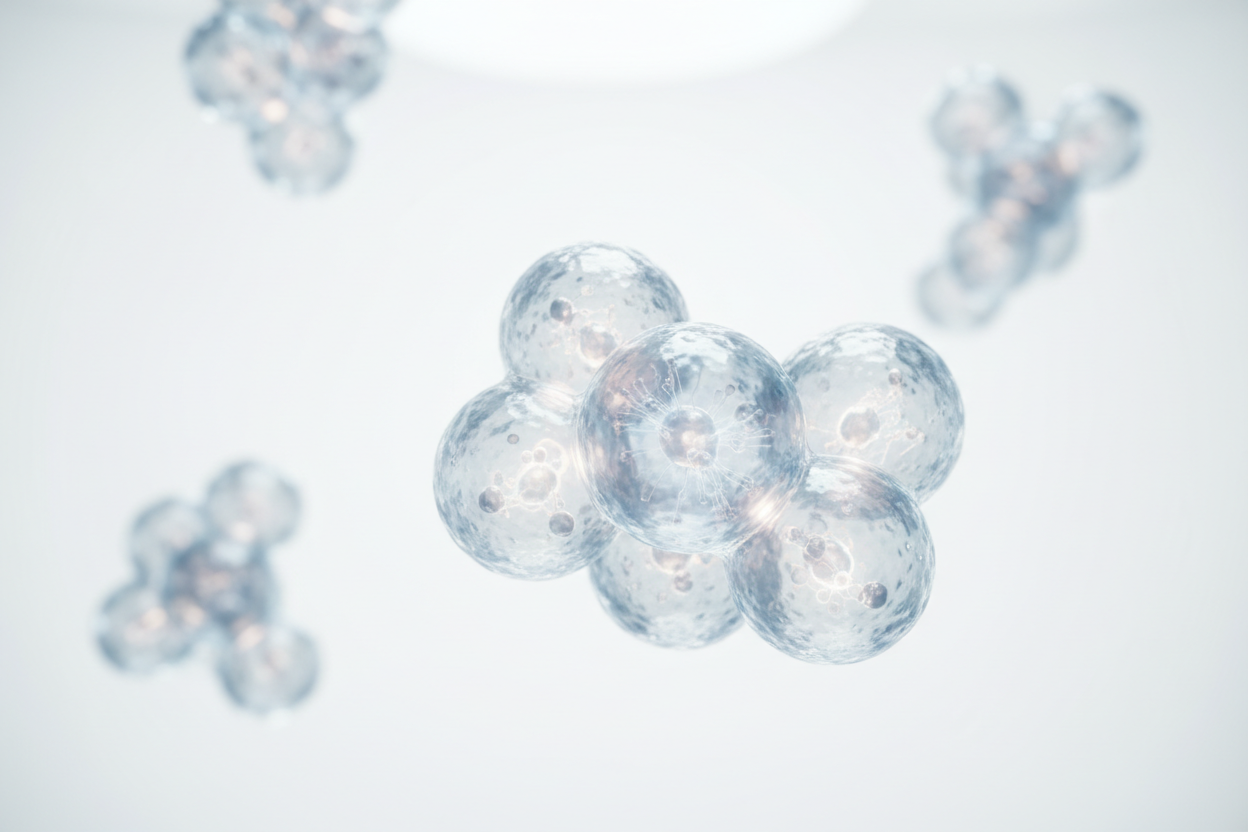
- Extracellular vesicles, or EVs, are microscopic membrane-bound particles released by cells.
- Exosomes are a particular subtype of extracellular vesicle formed through a specific pathway inside the cell.
- Stem-cell skincare usually contains a cultured-cell extract, conditioned medium or other cell-derived ingredient—not living stem cells.
An exosome is therefore a type of extracellular vesicle, but not every extracellular vesicle is necessarily an exosome.
What are extracellular vesicles?
Extracellular vesicles are tiny particles surrounded by a lipid membrane. They are naturally released by many types of cells and can transport proteins, lipids, metabolites and nucleic acids between cells.
This makes EVs part of the body’s broader cellular communication system. Their contents are influenced by the type and condition of the cell that produced them, which means vesicles from different sources should not be assumed to have identical properties.
Researchers are studying EVs from many biological sources, including:
- Plants
- Probiotic and other bacterial cultures
- Milk and dairy sources
- Platelets
- Fibroblasts
- Mesenchymal stromal or stem cells
Early laboratory and clinical research has investigated their potential role in skin appearance, recovery, pigmentation, hair and scalp health. However, the evidence remains highly variable, and differences in purification, characterization, storage, delivery and study design make it difficult to compare one EV technology directly with another.
What exactly is an exosome?
An exosome is an EV produced through a particular process within a cell’s endosomal system before being released outside the cell.
The term is often used loosely in beauty marketing to describe any very small vesicle. Scientifically, however, particle size alone is not enough to prove that a vesicle is an exosome.
The International Society for Extracellular Vesicles recommends using the broader term extracellular vesicle, or a more specific operational description such as small EV, when the vesicle’s exact cellular origin has not been conclusively demonstrated.
This does not automatically mean that a product using the word “exosome” is ineffective. It means consumers should look beyond the headline and consider how clearly the ingredient has been identified, tested and formulated.
Are extracellular vesicles the same as stem cells?
No.
A stem cell is a complete living cell. An extracellular vesicle is a much smaller, non-replicating particle released by a cell.
EVs may carry selected components from their source cells, but they cannot divide, reproduce or transform into skin cells. They should not be described as tiny stem cells.
This distinction matters because products described as “stem-cell skincare” can create the impression that living cells are being applied to the face. Conventional cosmetic products generally use materials such as:
- Plant cell culture extracts
- Stem-cell culture extracts
- Cell-conditioned media
- Fermentation-derived ingredients
- Purified or isolated extracellular vesicles
These materials can be valuable cosmetic ingredients, but they are not the same as applying living stem cells to the skin.
What is plant stem-cell skincare?
Plant stem-cell skincare usually begins with plant cells cultivated under controlled laboratory conditions. Components from those cultures are then processed into cosmetic ingredients.
These extracts may contain antioxidants, polyphenols and other plant-derived compounds that help condition the skin or protect a formulation from oxidative stress. Their cosmetic value comes from these cultivated botanical components—not from replacing or becoming human skin cells.
For example, the freeze-dried component of Snow Fox Age Renewal Booster Shots uses a cultivated Swiss Edelweiss plant-cell ingredient alongside marine collagen. It does not contain living Edelweiss stem cells. Freeze-drying helps preserve delicate ingredients until they are mixed with the activating serum immediately before use.
This is a more accurate way to understand plant stem-cell skincare: as an advanced method of producing concentrated botanical ingredients, rather than a form of cellular transplantation.
What is conditioned media?
Conditioned media is the nutrient-rich liquid collected after cells have been grown in a controlled culture.
Depending on how it is produced and processed, it may contain a mixture of:
- Soluble proteins
- Peptides
- Growth-related signaling molecules
- Lipids
- Metabolites
- Extracellular vesicles
Conditioned media is not automatically equivalent to purified EVs. It is a broader mixture, while isolated EV preparations are intended to concentrate and characterize the vesicular portion more specifically.
This distinction is important when comparing products. “Stem-cell conditioned media,” “cell extract” and “extracellular vesicles” should not be treated as three names for the same ingredient.
What are plant-derived and probiotic extracellular vesicles?
Plants and microorganisms also release nanoscale vesicles. These are being investigated for their ability to transport naturally occurring lipids, proteins and other bioactive compounds.
The terminology is still evolving. Depending on the characterization method, researchers may refer to them as plant-derived extracellular vesicles, nanovesicles or exosome-like vesicles rather than automatically classifying every particle as a true exosome.
This source-specific approach is central to the way Snow Fox develops its regenerative formulas.
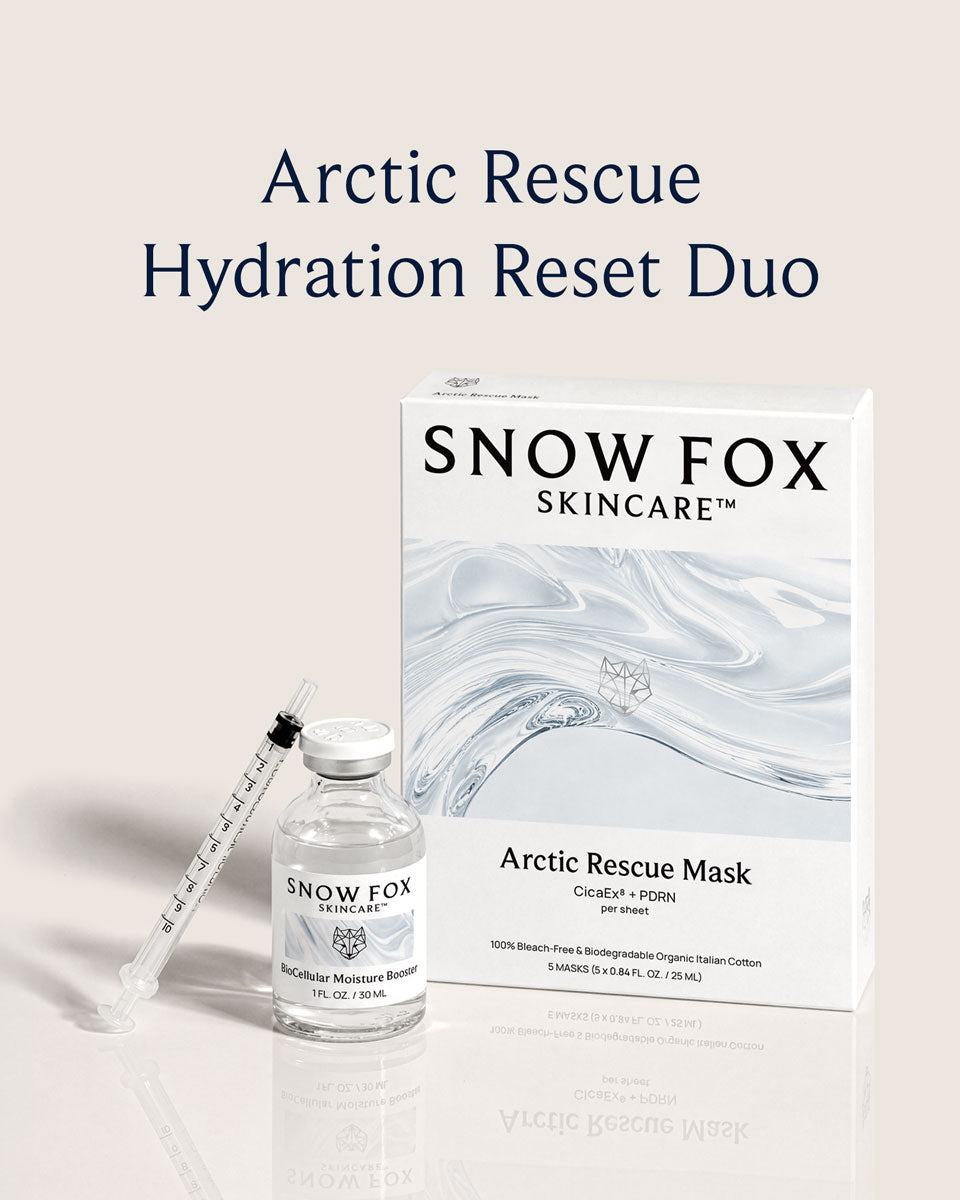
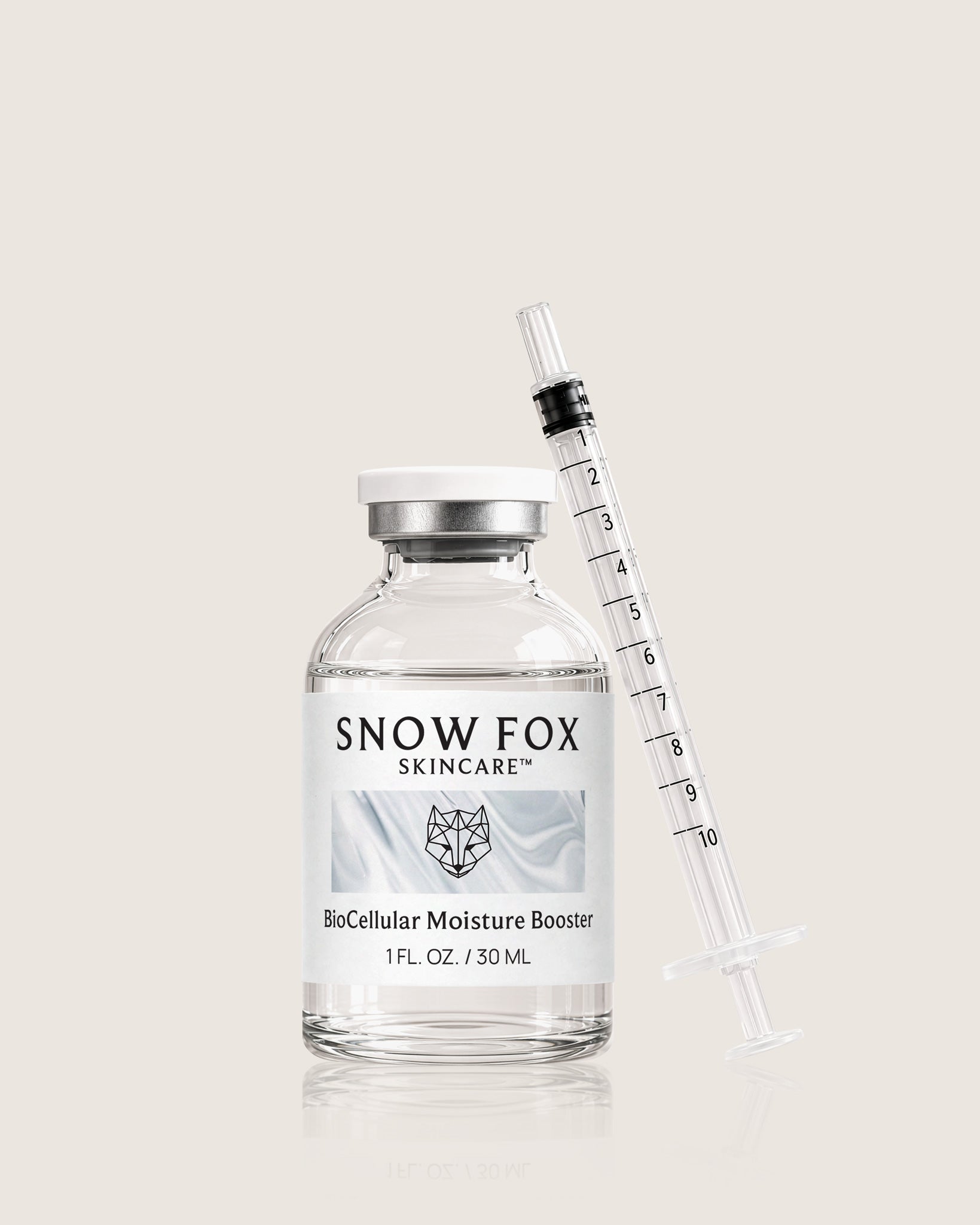
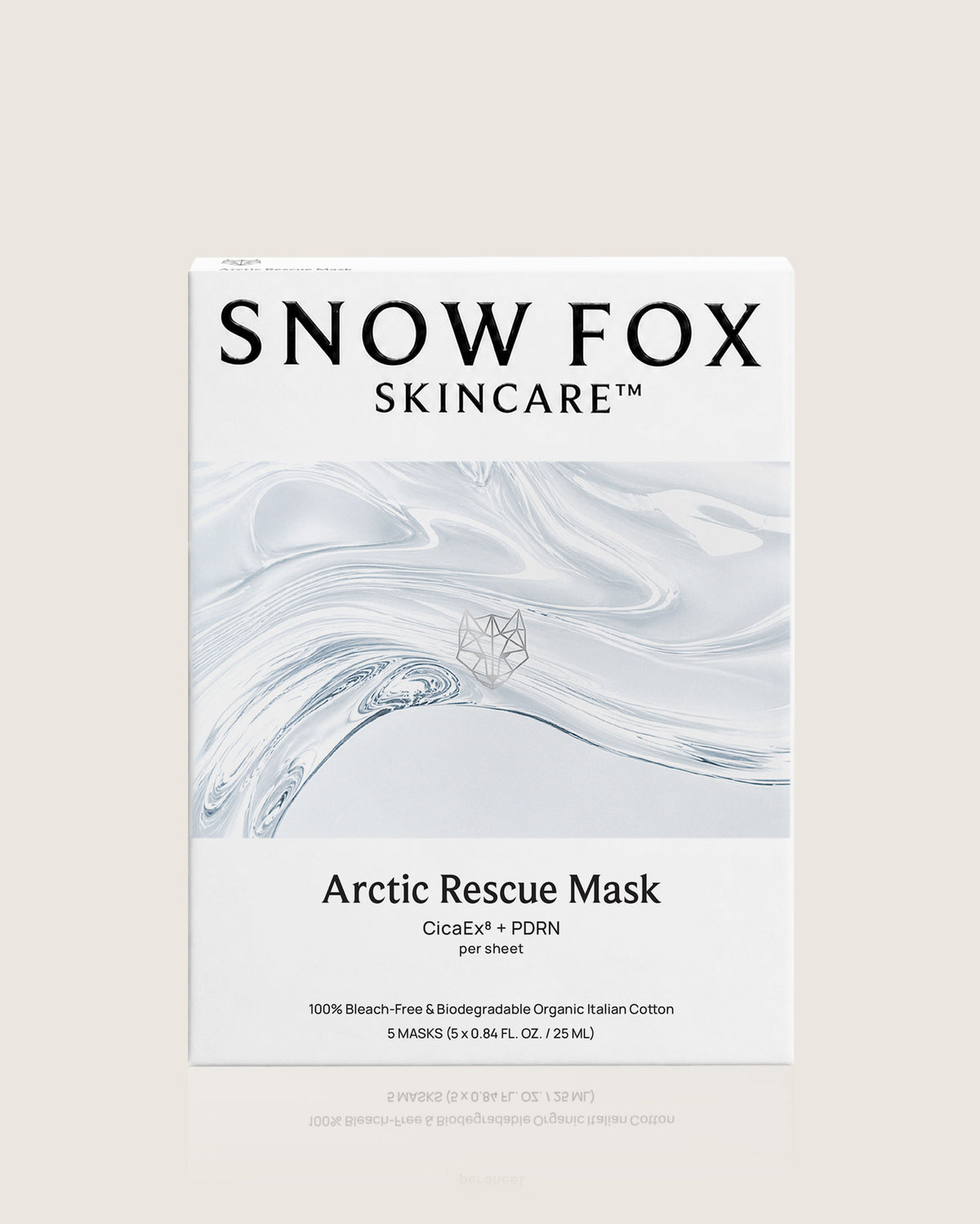
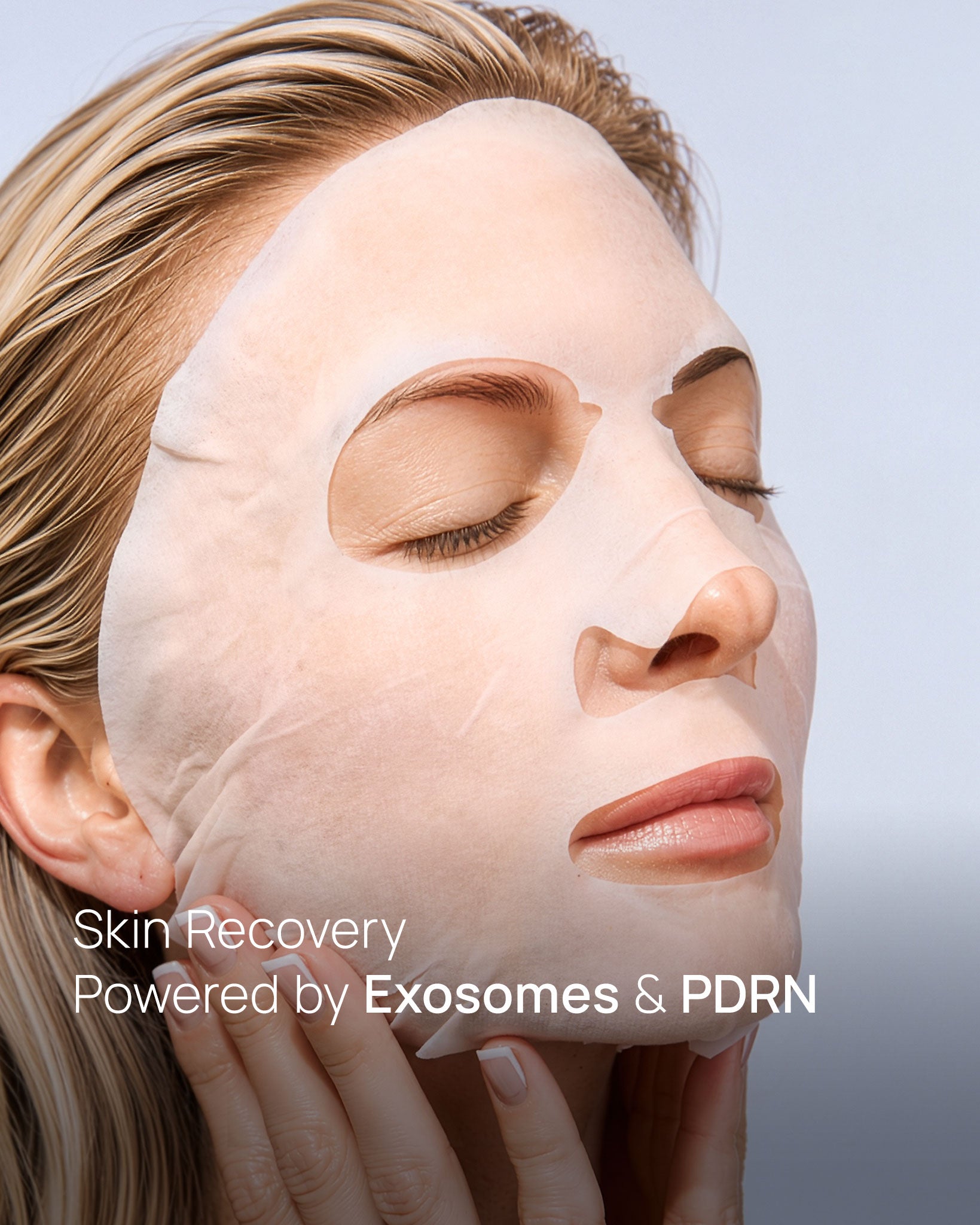
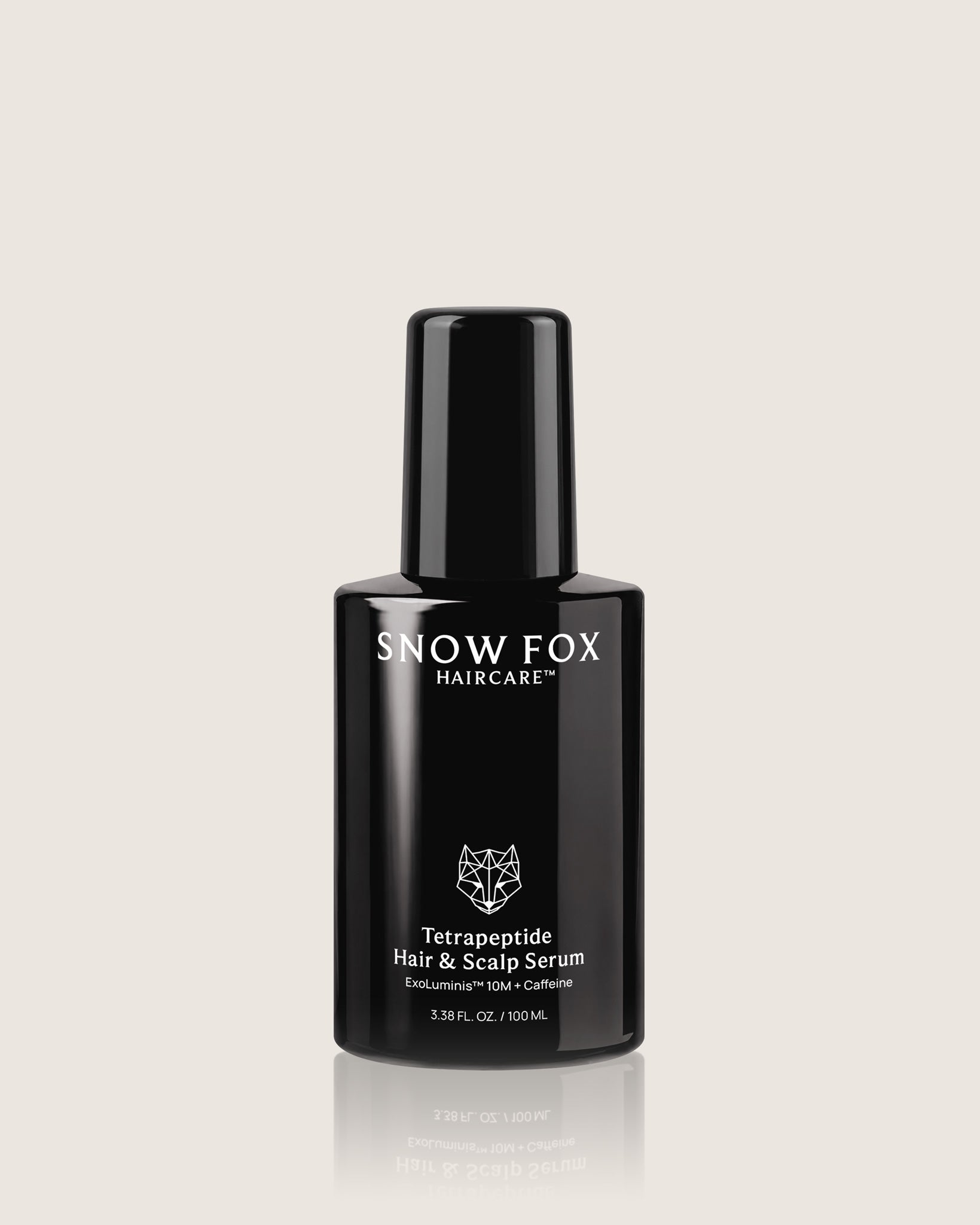
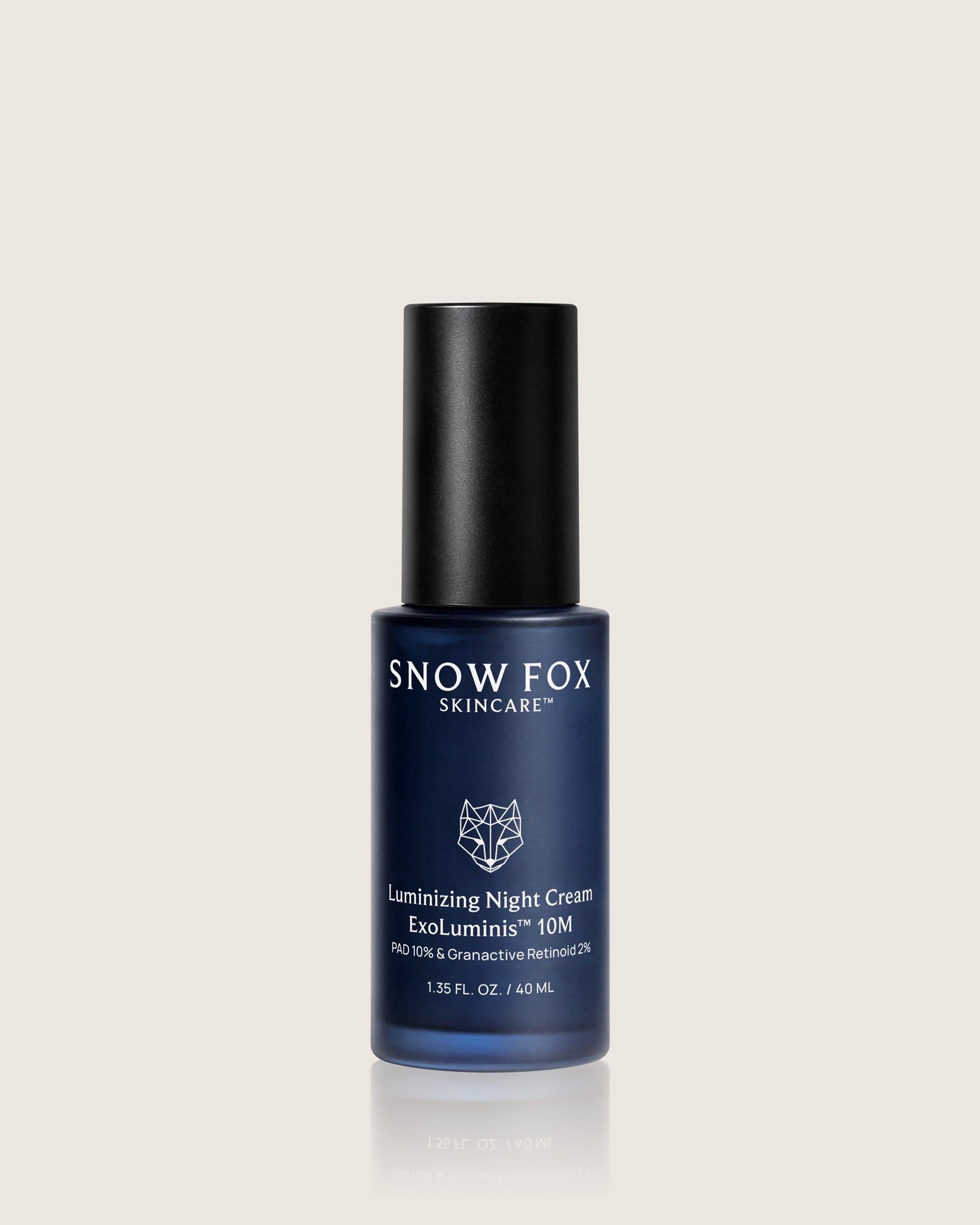
Selected Snow Fox products use technologies such as ExoLuminis™, which combines vesicle & INCI verified Exosome ingredients selected for a particular formula, while the Arctic Rescue collection uses CicaEx⁸, a Centella-focused EV complex designed for sensitive and stressed-looking skin.
These complexes are not expected to carry an entire formula alone. They are paired with familiar cosmetic actives such as niacinamide, peptides, ceramides, cholesterol, panthenol, PDRN and botanical antioxidants to address hydration, barrier comfort, firmness or luminosity more comprehensively.
Can exosomes regenerate the skin?
The word “regenerate” needs to be used carefully.
Laboratory research suggests that certain EV preparations can influence cellular communication associated with inflammation, fibroblast activity, keratinocyte behavior and wound-repair pathways. Early human studies have also reported potential improvements in areas such as hydration, elasticity, wrinkles and pigmentation.
However, much of the evidence remains preclinical or comes from relatively small and varied clinical studies. Some studies also combine EV preparations with procedures such as lasers or microneedling, making it difficult to determine how the same material would perform in an everyday topical serum. Reviews continue to identify a need for larger trials, standardized manufacturing and longer-term safety data.
For cosmetic skincare, responsible language should focus on visible benefits such as:
- Supporting skin hydration
- Improving the appearance of texture
- Helping skin feel more comfortable
- Supporting a healthy-looking barrier
- Improving the appearance of firmness and radiance
Claims that a topical cosmetic rebuilds tissue, heals disease or permanently changes the structure of the skin would require a different level of evidence and may cause the product to be regulated as a drug in markets such as the United States.
Does a higher vesicle count mean a better product?
Not necessarily.
A number such as one million, 100 million or one billion particles provides only one piece of information. It does not tell you:
- Whether the particles have been correctly identified
- What biological source they came from
- How pure the preparation is
- Whether they remain stable in the finished formula
- Whether the measured particles are intact
- How they interact with other ingredients
- Whether the concentration used has been tested
- Whether the formula can deliver a meaningful cosmetic benefit
Vesicle characterization, purity, biological activity and formulation stability are just as important as the headline particle count. Current scientific guidelines emphasize transparent reporting and multiple characterization methods rather than relying on size or concentration alone.
At Snow Fox, EV concentration is treated as one part of a complete formulation system - not as a substitute for good formulation. Our particle counts (EV concentrations) are first cross checked with verified clinical tests before settling on different counts for specific functional effects.
Are all exosome sources equally effective?
No source can currently be declared universally superior.
Plant, probiotic, dairy and human-cell-derived vesicles may contain very different biological materials. Even vesicles produced by the same cell type can vary according to growing conditions, extraction methods and storage.
The better question is not simply, “Which source is strongest?”
More useful questions include:
- Is the source clearly identified?
- Is it appropriate for the intended cosmetic use?
- Has the ingredient been characterized?
- Is its safety supported?
- Is it stable in the finished formula?
- Is it combined with ingredients that support the desired skin benefit?
- Are the claims proportionate to the available evidence?
Are topical exosomes the same as injectable exosome treatments?
No.
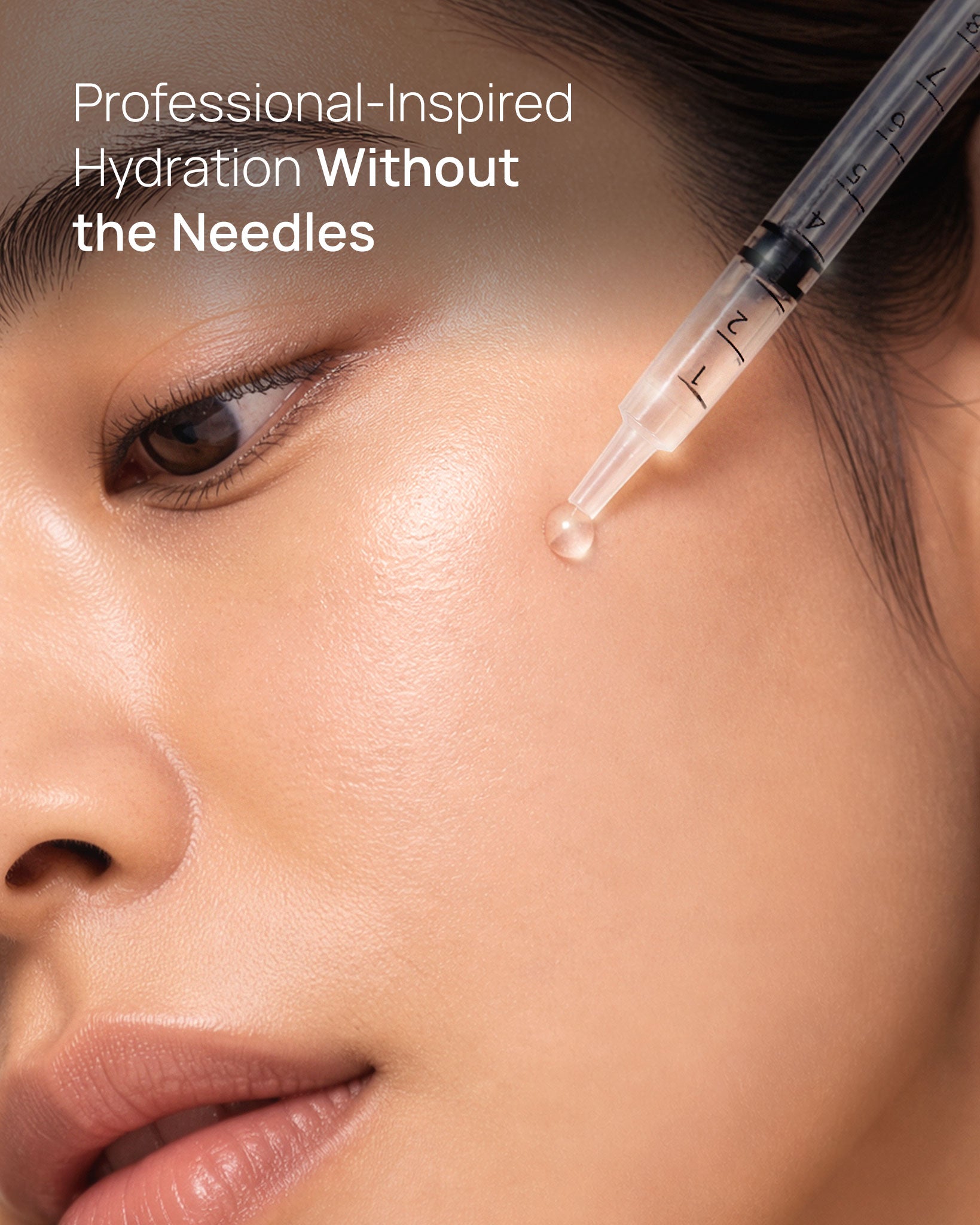
A daily topical cosmetic and a material injected or applied during a medical procedure have very different exposure routes, safety considerations and regulatory requirements.
The U.S. FDA has repeatedly warned consumers about unapproved exosome and stem-cell products promoted as medical treatments, particularly products intended for injection or disease treatment. These warnings should not be confused with an endorsement or rejection of every cosmetic ingredient described as an EV; they highlight the importance of distinguishing topical beauty products from unapproved biological therapies.
Injectable or invasive exosome treatments should only be considered under appropriately qualified medical care and within the laws of the relevant country.
How Snow Fox approaches regenerative skincare
Our philosophy is to use regenerative-inspired technologies carefully and transparently.
Rather than presenting exosomes, EVs or plant-cell cultures as miracle ingredients, we combine them with established cosmetic actives that support the visible needs of the skin.
For example:
-
Arctic Rescue formulas pair the CicaEx⁸ EV complex with barrier-supporting ceramides, cholesterol, plant PDRN and calming ingredients.
-
Luminizing formulas combine ExoLuminis™ technology with brightening ingredients such as niacinamide and other tone-supporting actives.
-
Age Renewal formulas use EV technologies alongside peptides, EGF and hydration support.
-
Age Renewal Booster Shots combine a freeze-dried Edelweiss plant-stem cell ingredient with an activating serum containing marine PDRN, a Cica stem cell-culture ingredient, panthenol and a peptide matrix.
-
Tetrapeptide Hair & Scalp Serum uses a fig-and-milk-derived ExoLuminis™ complex alongside caffeine, botanical ingredients and tetrapeptides.
The purpose is not to make the most dramatic claim. It is to create balanced formulas in which emerging technologies and well-established ingredients can work together.
Frequently asked questions
Are exosomes a type of stem cell?
No. Exosomes are small particles released by cells. They are not complete cells and cannot reproduce or develop into other cell types.
Is every extracellular vesicle an exosome?
No. Exosomes are one proposed subtype of EV. When the exact formation pathway has not been established, “extracellular vesicle” is usually the more scientifically accurate term.
Does stem-cell skincare contain living stem cells?
Most topical cosmetics do not. The term usually refers to plant cell culture extracts, conditioned media or other ingredients produced from cultured cells.
Are plant exosomes effective?
Plant-derived vesicles are a promising area of research, but evidence differs by plant source, preparation and formulation. The category should not be evaluated as though every plant-derived vesicle ingredient is identical.
Can sensitive skin use EV skincare?
Suitability depends on the entire formula, not the EV ingredient alone. Fragrance, exfoliating acids, retinoids, preservatives and other components can all affect tolerance. Patch testing remains advisable for highly reactive skin.
Should I choose exosomes instead of peptides or retinol?
These ingredients have different roles and do not need to compete. A well-designed formula may combine EV technologies with peptides, antioxidants, barrier lipids or other established actives. Retinoids and stronger treatments should be selected according to individual tolerance and professional guidance.
The considered view
Extracellular vesicle technology is one of the most interesting developments in modern skincare, but it is also one of the easiest to oversimplify.
Exosomes are not stem cells. Stem-cell extracts, cultures and media are not living cells. A high particle count does not automatically establish quality (in our case, each ingredient particle count was verified by clinical tests). Encouraging early research should not be turned into a promise of medical regeneration.
The most credible approach is one of informed optimism: follow the emerging science, ask for greater transparency and judge every product as a complete formula.
Because the future of skincare should not be built on one fashionable word. It should be built on better science, responsible formulation and a deeper respect for how healthy skin functions.